
Dostoevskij by the D'Innocenzo Brothers
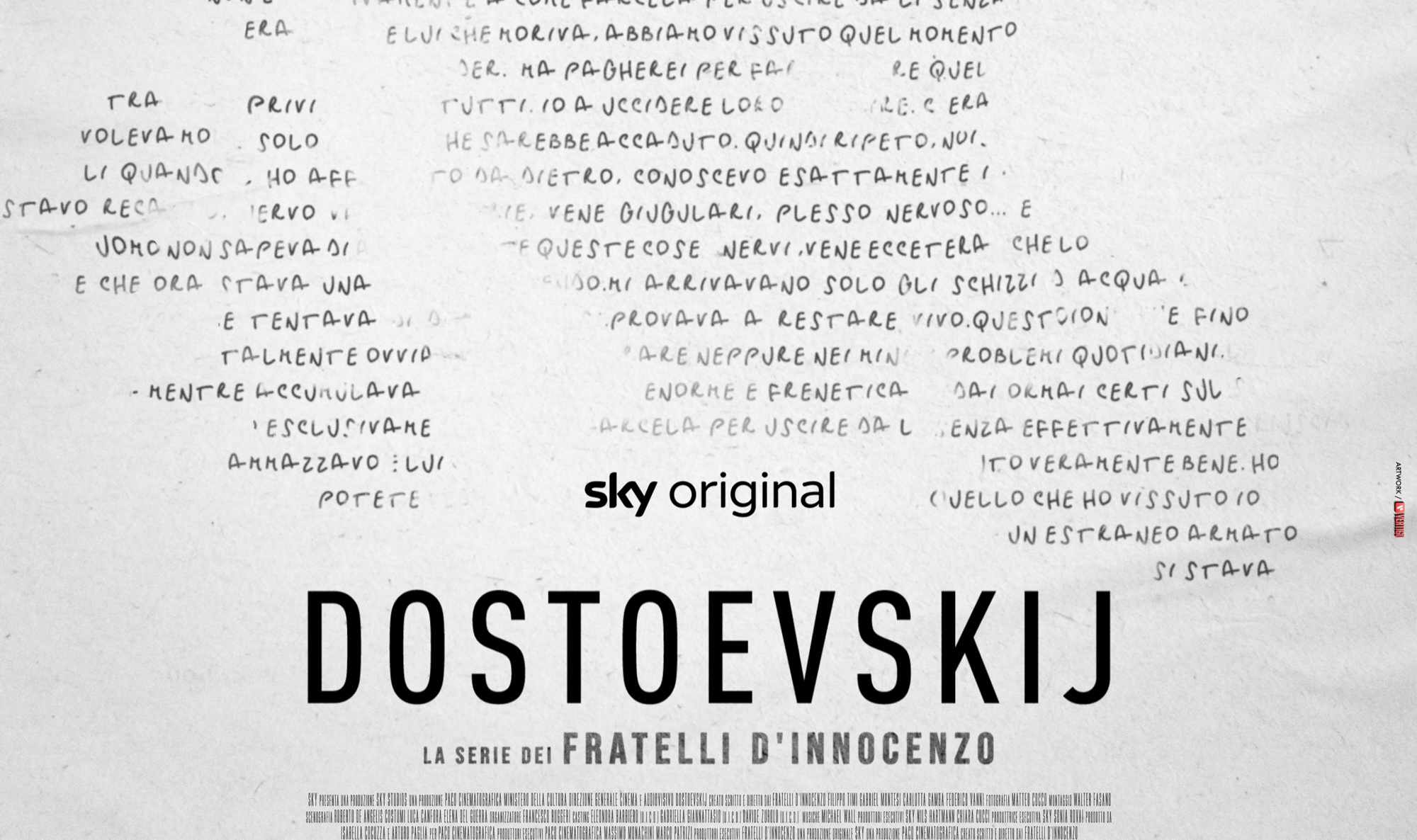
Dostoevskij opens with Enzo (Filippo Timi) lying on the floor of his house. He’s motionless, smiling and crying while staring at the ceiling.
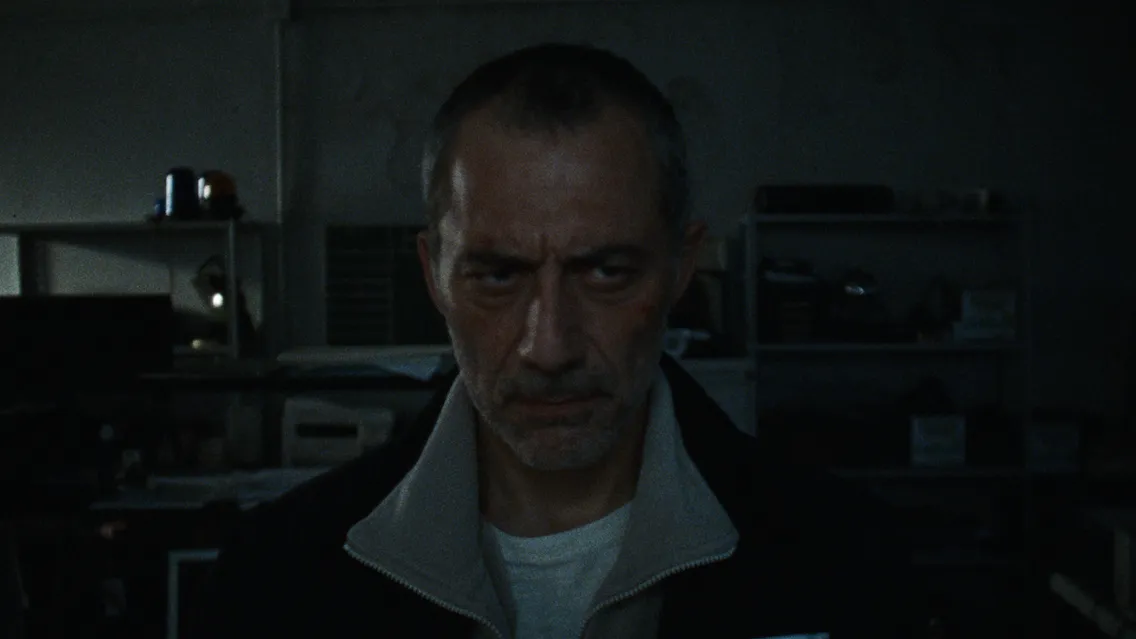
In this introduction of Enzo’s character, we get everything that the protagonist is up to that point. A man at the end of his story. Motionless, waiting for the end, and this waiting is an impatient, joyful, moving kind of waiting.
Cut to Enzo throwing up, a real vomit and not a fake one, with the spasms and belches that precede the retching that are real and close to us, we feel Enzo’s fingers in our own throat.
That’s how the film begins, because this is Dostoevskij, a very long film.
In the first part, the protagonist is passive, he does practically nothing to get closer to the killer except obsessively read the letters left after each murder. Letters that are well-written, with force and passion.
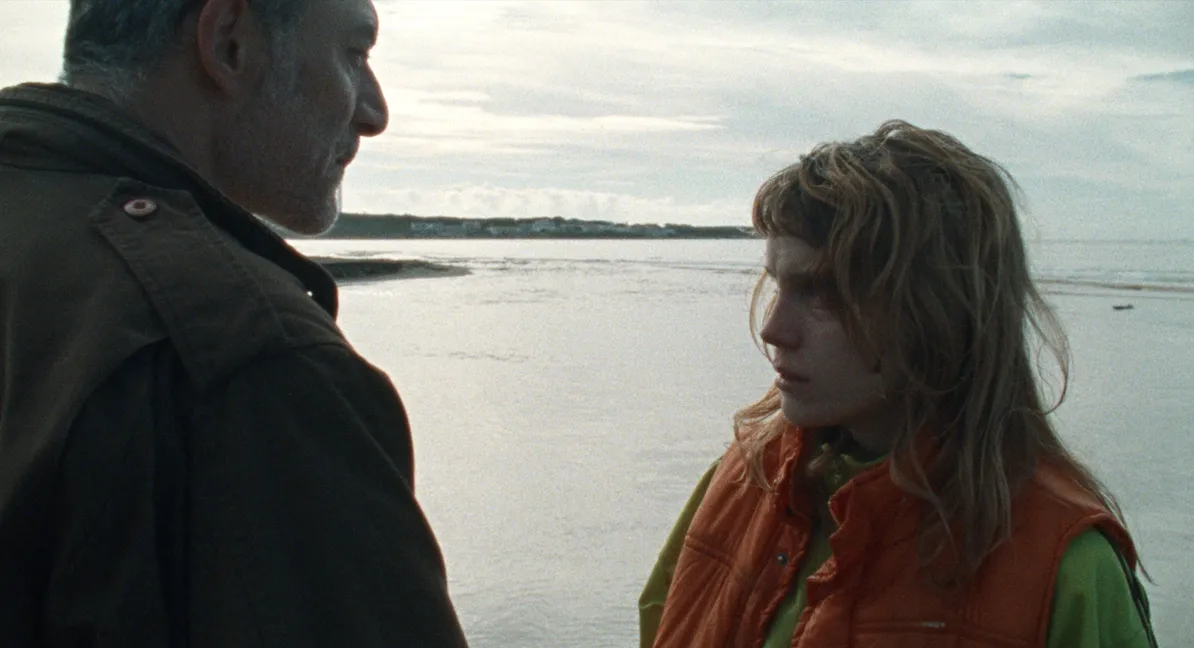
The first part focuses on the relationship with his daughter Ambra, played by Carlotta Gamba. The two are wrecks living among wreckage. The camera follows them without ever finding the anchor of a tripod. We are with them, we are them. Dostoevskij is a novel written in the first person.
 The first part is very reminiscent, in narrative style, of Beau is Afraid in my opinion, where everything that happens happens outside of the main character. Enzo is motionless and moves only because other characters pull him and force him to do the little he does.
In this first part I struggled with the dialogue, how it’s written, how it’s delivered, but I’ll write about that at the end of this post.
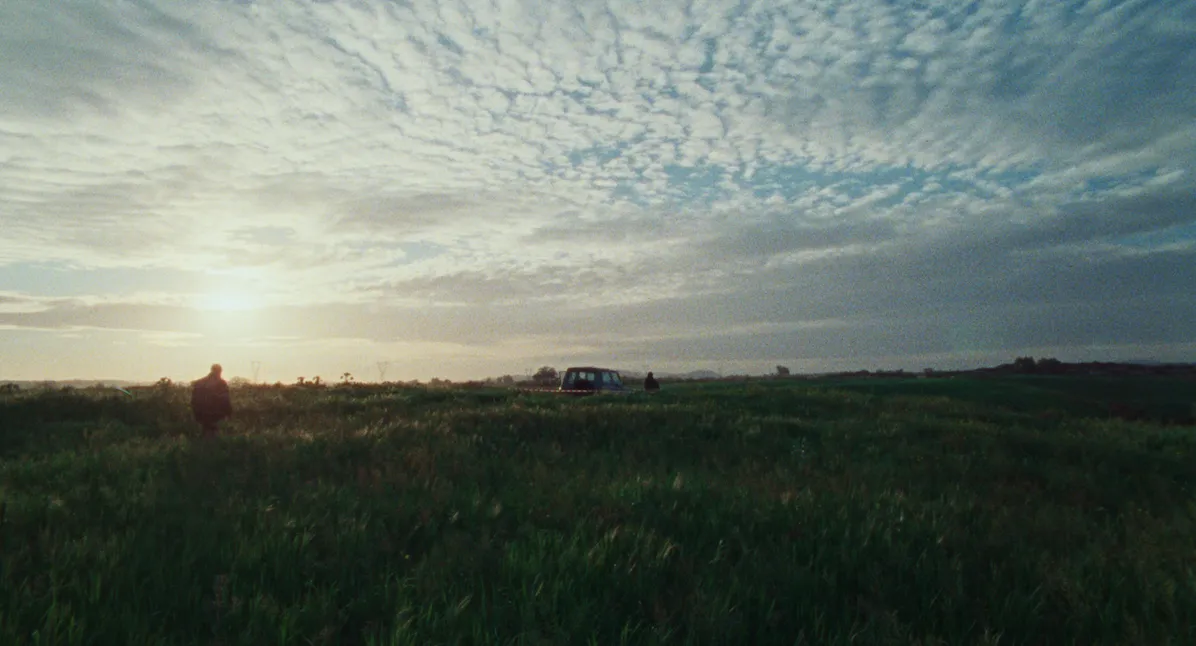
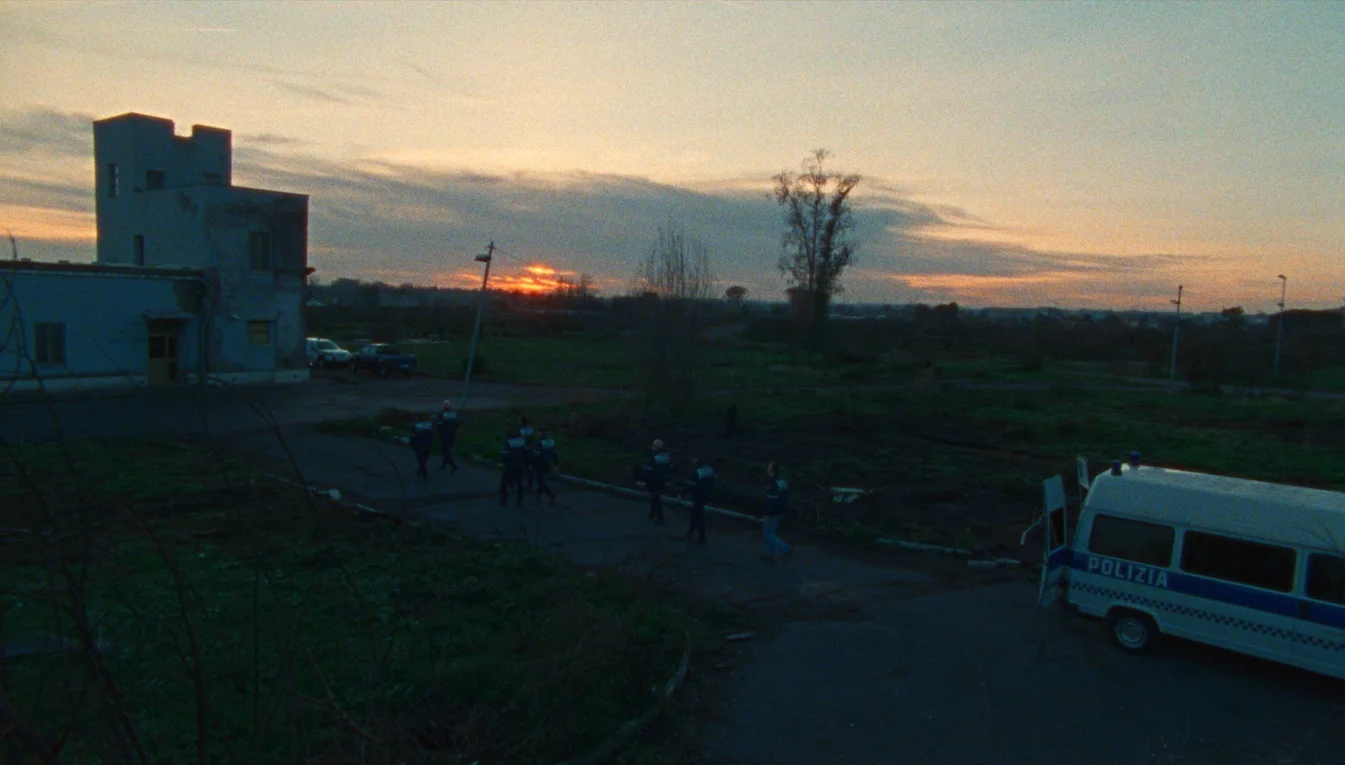
Enzo’s work world is made up of gangs of cops competing in the hunt for a killer who is too much for them, for their provincialism.
In the second part, after Enzo has left the police force, the narration picks up an unexpected speed.
I’m going to talk about the ending so drop the reading here.
Enzo leaves the police because he’s been betrayed. He sells his house in a suicidal attempt to put his daughter in a position where she can’t hurt herself too badly, even though she’ll keep doing it.
He’ll confide in his daughter about his essence, all his reasons why. Why he uses pills and why he left, abandoning her when she was little, in a poetic and heartbreaking scene.
He’ll keep following his trail among mummies and strange characters who live like rats, on the path he believes is right and valid.
Having sorted out his daughter in his own way, the real pursuit begins.
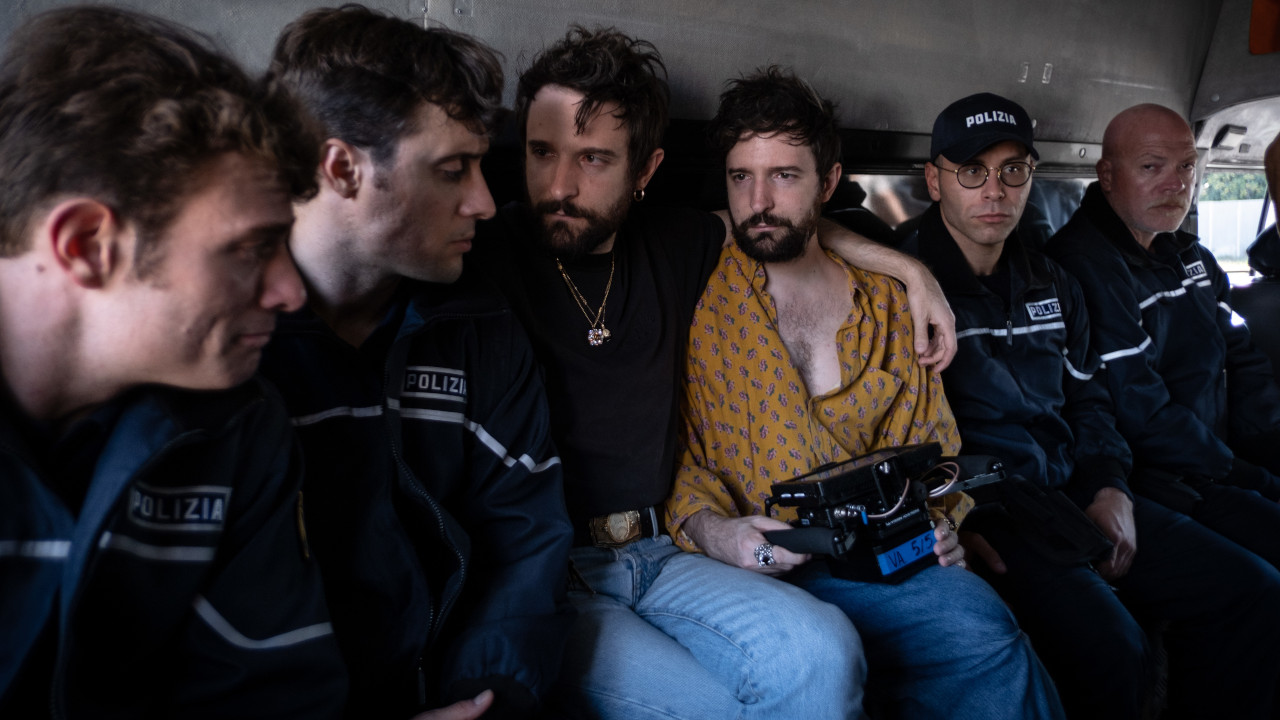
Enzo is no longer playing around, without compromise he tries to solve the case, to follow his passion: and here is the heart of the film. How willing are we to be radical about the things we desire, that interest us, that make us feel alive for as long as we’re living? How willing are we to risk in order to find ourselves? And finding ourselves inevitably means losing ourselves.
Once he finds Dostoevskij, who is a woman, in a beautiful scene where nothing is clear but everything is understood. Where the thriller mixes with horror all the way to splatter. Between lightning-fast car chases through the countryside under the headlights of a beaten-up pickup and shootouts, Enzo will end up threatening Dostoevskij with not letting her die.
Enzo uses life as a threat, a boring life locked in a cell when Dostoevskij wishes to end it all because she feels her story is finished.
And here what had to happen, happens. The transformation takes place and through the written word, Enzo inherits Dostoevskij. Dostoevskij is alive, has mutated, and will continue to exist.
Here I’ll circle back to the written and spoken word to close.
The killer’s written word is beautiful, alluring, deep, where we see ourselves reflected and never want it to end. The spoken word, pronounced by all the characters in Dostoevskij, is grotesque to the point of being ugly, it’s fine for a book but not for a film.
The characters speak poorly, it feels strange, but in the second part of the film this strangeness becomes less noticeable because of the momentum the story builds. It’s not a mistake, it’s intentional because the spoken word is ugly, the written one is beautiful, it’s redemptive, it makes sense.
The D’Innocenzo Brothers managed to bring the thriller in the style of Memories of Murder, of True Detective, to Italy, with a bet made between themselves and Sky. Like Enzo does with his investigation, all in without thinking about it too much.
Dostoevskij is certainly one of the most interesting things released so far, not just in Italy, in 2024.
Related posts

Holy Shoes - Stories of Souls and Objects by Luigi Di Capua
The debut film by Luigi Di Capua, presented at Torino Film Festival 2023, investigates the human tendency to transcen...

Gli Ospiti (2023) by Svevo Moltrasio - How I Die, Not Cinema
Gli Ospiti by Svevo Moltrasio, or how I die watching a film whose hype I can't understand.

'Baby Reindeer': A Story About Being Radical
Baby Reindeer is a powerful narrative about finding one's place in the world and the courage it takes to stand up aga...
Comments
Loading comments...