
Holy Shoes - Stories of Souls and Objects by Luigi Di Capua
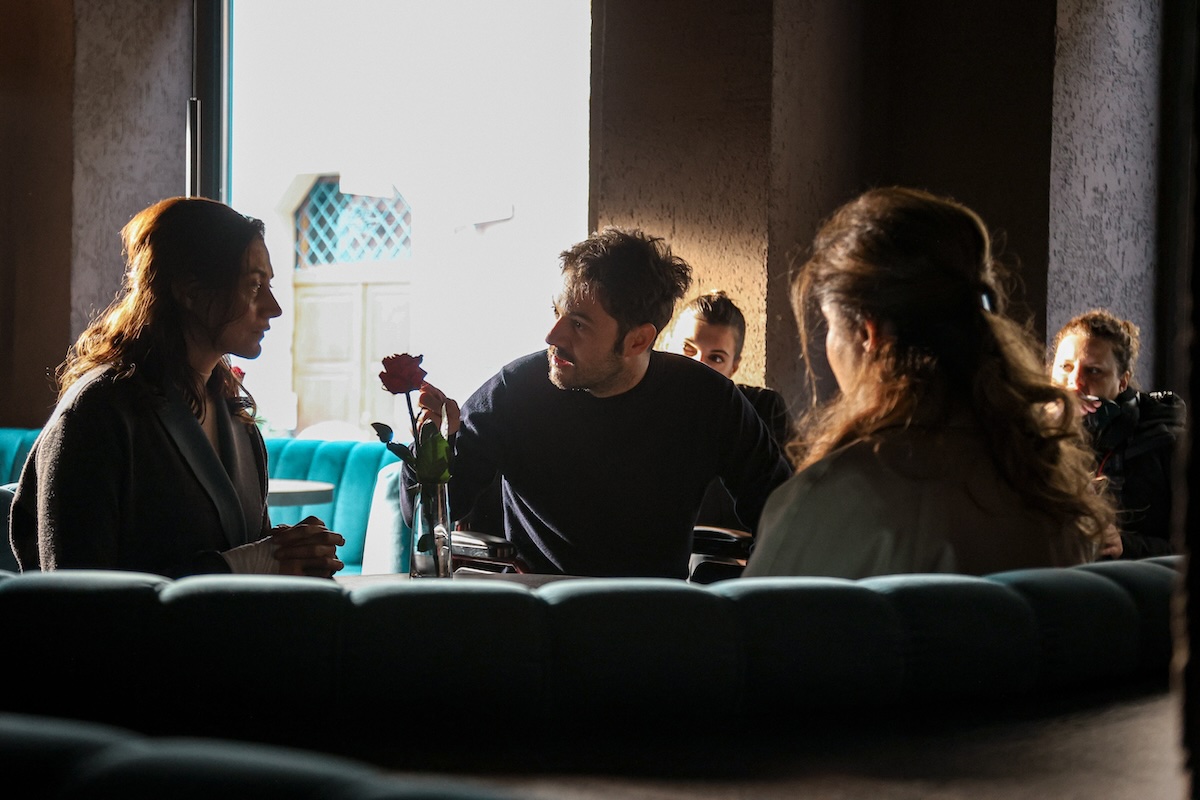
Debut film by Luigi Di Capua, presented at Torino Film Festival 2023 (not in competition).
Di Capua’s film turns out to be interesting even though it has its flaws in my opinion.
The four stories that wrap around the Typo 3, a mythological shoe of dubious aesthetics, come together in the finale giving some meaning to what we’ve seen.
Transcending objects
The desire to tell the story of the relationship between people and things, in this case a shoe, and the person writing this lives in an area where people make a living making shoes (sigh), is very interesting. There’s someone who uses the Typo 3 to achieve a romantic goal in a childish way. There’s someone who uses them for their social climbing and acceptance. There’s someone who uses them (not the Typo 3) to get laid.
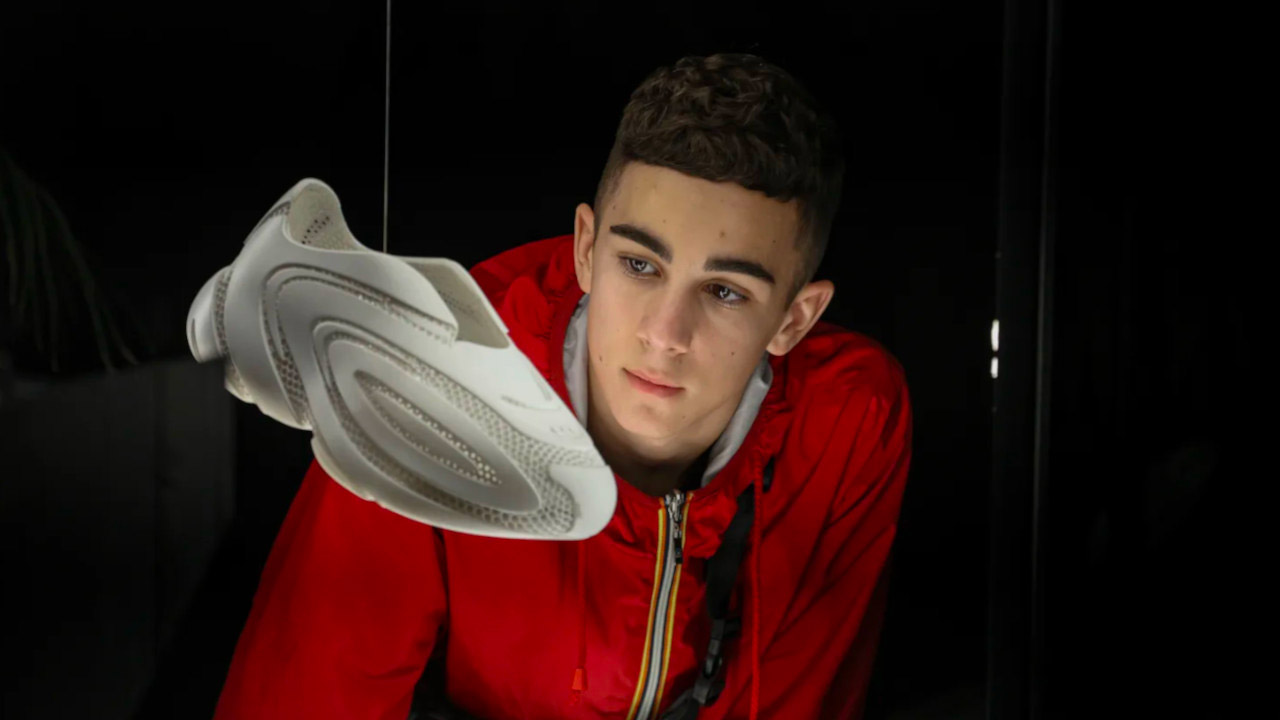
Transcending the meaning of an object until it becomes the lever for achieving something more elevated like personal recognition (and therefore being recognized by others) is one of the most human things there is. I also think of religions and their rituals around objects that transcend, that change meaning. The film succeeds in showing us these characters, always pathetic, with a never-judgmental eye, in fact, it has the merit of making them feel close to us and never alien.
The only problem with the film in my opinion, which I moderately liked, is the redundancies.
Di Capua’s desire to tell everything, every facet, every micro-ripple in the relationship between person-shoe-other makes the narrative lose its flow.
Bibbolino, the best part.
Not all four stories are equally successful. The best one without a doubt is Bibbolino’s, played by Simone Liberati, who serves as the backbone of the film.
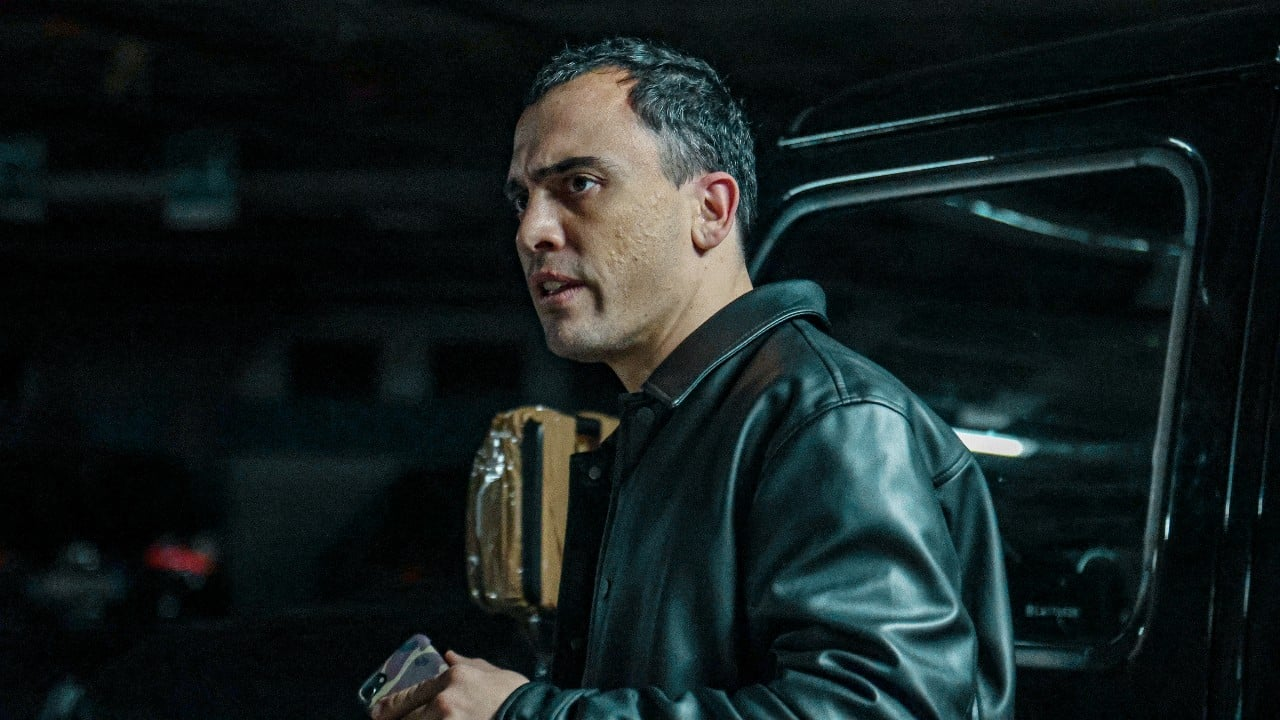
Bibbolino with his constant humiliations, with his childish way of dressing, with his job that’s expanding, with his subordinate relationship with his father, with his attempt to create a connection with his son through the Typo 3, with his never-successful and always I-would-but-I-can’t attempts to wriggle free from the relationship with his father, he’s certainly the most human and therefore complex character.
Di Capua in this story makes you feel that he knows exactly what he’s talking about. About that inheritance that crushes and suffocates. That inheritance that allows you to live a life beyond your means. That enables the pursuit of a dream but at the same time comes at a price, certainly lower than for those who don’t have this inheritance, but still carries a side effect. Bibbolino’s dedication to shoes, financed by his father, is the point and the thing I liked the most, even if only touched upon.
Obviously the film should have been about something else, but this aspect struck me the most.
Perhaps, actually without the perhaps, this is somewhat the theme of a generation raised in abundance and in the possibility of not working until the age of thirty-five.
The directing always lingers on faces, always in close proximity. The music is good but a bit too invasive in my opinion.
Holy Shoes is a dark fable written around four protagonists who never change throughout the story. Their flaws, immediately presented and never healed, cause the stakes to keep rising until destruction, and all of this with the Typo 3 on their feet.
Related posts

Dostoevskij by the D'Innocenzo Brothers
Dostoevskij by the D'Innocenzo Brothers, or how dedication to a passion transforms us into something else and perhaps...

Gli Ospiti (2023) by Svevo Moltrasio - How I Die, Not Cinema
Gli Ospiti by Svevo Moltrasio, or how I die watching a film whose hype I can't understand.
Comments
Loading comments...